Nov
17
2013
If you’re one of the many companies that use terminal servers for their convenience and efficiency, you might also be one of the companies that worry about potential security risks. A lot can go wrong when employees start remotely accessing the server, even if it’s just by mistake. Continue reading, however, and you’ll learn of software that exists that can solve this problem.
A remote desktop manager is just what companies need to keep an eye on what’s being done when the desktop is accessed. As the name suggests, monitoring remote desktop software is its function.
It can do this one of two ways. The first is with a simple user log. When someone accesses the desktop, their information is recorded by the log. This log can even keep track of how long their session was and what programs were used. It will even take note of idle time, if one of your employees is simply signing in for appearances.
However, you can also find software that will record the entire session. Essentially, it’s like a security camera aimed at the remote desktop. This way you get all the aforementioned information, plus the peace of mind that comes from knowing exactly what went on during the session.
While it might seem overzealous to take such precautions, remember that mistakes do happen. Furthermore, if you have investors, this can be a great boon to their confidence.
—————————————————————————————
Article submitted by RDPSoft Company. They provide companies with terminal server monitoring software to ensure accountability and security.
Oct
15
2012
These devices while very common today, weren’t very common in just a decade ago because tracking GPS devices were very out of date and of poor quality so that made it hard to find reliable GPS devices. So now days, how do we know what a good GPS device is and how do we find them?

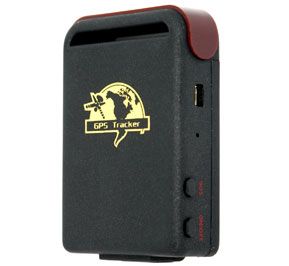
– GPS devices are commonly sold in commercial retail stores as manufacturers have a large wholesale sum of them.
– You can also find them on the internet as they’re commonly easy to find now days because of the large demand that manufacturing has had for these new devices. The updated firmware and software devices as well have had a serious impact on manufacturing so that it’s easier to find which ones are more accurate.
Accuracy And Software
In every GPS there’s different software and firmware that check for updated databases, updated roads, detours and some even now check for weather conditions and are voice automated that will guide you every step of the way to your destination. Some are always being updated with the newest roads, roads that are shut down, etc.
So how do you go about finding good GPS devices? This will depend on what kind of GPS you’re looking for whether you’re looking for a lojack kit, or whether you’re looking for commercial fleet tracking. There are a very wide variety of different keys, and one option is to check out gpstrackit.com to check out the different various GPS.
Sep
23
2012
When people think of managing a fleet, they often are going to think of GPS fleet tracking. But there is more involved. Here are two things that a fleet manager should keep an eye on with regards to maintenance for fleet vehicles.
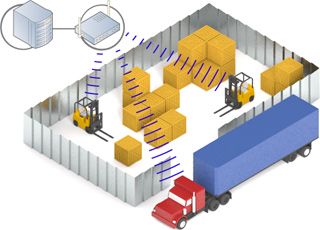
A really good measure of your maintenance program’s efficiency is the amount of touches the technicians have on one vehicle. For instance, you might have one vehicle that’s scheduled to get preventative maintenance four times annually but you’ve discovered that it was pulled in to be serviced eight times. That’s the original four times and another four times for other services like government-required emissions and safety inspections. If you had scheduled properly, these inspections could have been done at the same time as other preventative maintenance. When the technician’s touching a vehicle, it’s costing the company money and can represent some downtime. Usually, each vehicle touch is going to take at least one labor hour.
Figure out if you can predict maintence better. Use the records in order to calculate the average service time for your fleet for different components. This is going to help you know when they should be proactively replaced. If you discover that a certain alternator on a certain vehicle is failing at around 90,0000 miles, you can schedule your maintenance based on this information. This can help eliminate costly downtime.
Are you interested in learning more about real time GPS vehicle tracking? A good place to go is gpstrackit.com. You will find out about vehicle tracking GPS and much more.
Mar
29
2012
Almost everyone is familiar with Microsoft Word. It is the dominant word processing software on the market and is the default way that most people create their important business documents. But what happens if you don’t have Word installed on your home computer? If you don’t want to spend the money to purchase a copy, you have several legal options that will allow you to produce high-quality documents that are compatible with anyone using Microsoft Word.
“Word” has become as closely associated with word processing software as “Xerox” is to photocopiers to “Kleenex” is to tissue paper. However, it is just a brand name and there are several alternative options available for people who need word processing on their computer. Some of these options are specific to operating system (Mac vs. PC) while others work on almost any computer. You can choose from several freeware software suites that give you all of the basic word publishing features you need to create a simple document or select a paid option with a wider range of features such as Web publishing, layout and design templates.
Another great option is to take advantage of cloud computing. Instead of creating a document on your personal computer, cloud computing lets you create and share documents that are stored in the “cloud” – on Internet file servers. Services such as Google Docs allow you to upload, create and share word processing documents as well as spreadsheets, PDFs and other important files. It’s free and you don’t have to worry about losing an email, as files are automatically saved and can be accessed from anywhere.
Mar
20
2012
IT departments at businesses of all sizes have to deal with the headaches associated with spam emails flooding the In boxes of their employees. In many cases, these messages are nothing more than harmless advertisements or newsletters. But in some instances, “spam” email can be much more insidious. It can carry a virus that will attack a user’s computer or the entire network, often giving hackers the ability to access critical information.
The dangers of spam emails are real and IT departments take steps to protect their networks through the use of technology such as “spam filters” that weed out likely spam messages. But while filters will catch many spam messages, they won’t filter out all of them. Employees who frequently use email need to understand the steps they can take to root out spam messages:
Steps include:
Reading email addresses of senders: Email spammers will frequently attempt to fool the people receiving their messages by using a fake “from” email address that looks similar to those from real companies. Keep in mind that a company such as Microsoft will never use a domain of “Microsoft.co” or “MicrosoftIT.com” to send an email to you.
Checking for misspellings: Real corporate emails have typically been read and copy edited to ensure that every word is perfect. If you notice obvious spelling or grammar errors in the copy of an email that you receive, be very careful. Either the person sending the email was sloppy or you have received spam.
Watching out for deceitful links: One of the main things that a spammer wants you to do is click on one of the links in their email. It could take you to a sales page or to a site with harmful viruses. Hover over any link before you click on it – this gives you the ability to review the website address. If the website address looks suspicious or has a lot of characters, be wary.
Mar
15
2012
Laptop prices have gone down considerably over the past few years. As the price of parts and manufacturing has steadily decreased, computer companies have been able to introduce products to the market that are friendly to customers looking to spend as little as possible. But purchasing a “budget” laptop doesn’t mean that you have to settle for second-rate quality. If you know which features are the most important before purchasing a laptop you can get a great deal that meets your needs.
Here are three things you need to look for when comparison shopping for a laptop:
Size of the RAM: Many people think that having the fastest microprocessor (CPU) will lead to blazing fast performance. In reality, the speed of your laptop has more to do with the size of your system memory (RAM) than anything else. If the RAM is too small, your computer will start to drag and crash – especially if you save any large files.
Video Controller: If you plan on watching online videos or playing games on your laptop (and everyone does), you need to have a high-quality video controller. This is the dedicated memory that goes to playing video and other multimedia items. Most “standard” laptops come with a 64MB video controller, but upgrading to a 128MB video controller will mean a big difference in your computer’s overall performance.
USB Ports: If you plan on using a mouse with your laptop, uploading pictures and videos from your camera or storing files on an external hard drive, you’ll need to have plenty of USC ports. Newer laptops should come with USB 2.0 ports, which is the latest USB technology and allow you to upload and download content much faster between USB devices and your computer.
Mar
05
2012
One of the biggest hidden expenses dealt with my small businesses is the cost of being able to accept credit cards. Few consumers realize that businesses such as restaurants, supermarkets and clothing stores need to open a merchant account with a service provider in order to take credit cards. They have to pay a small fee to their merchant bank for each transaction – no matter how large or how small it is.
If you’ve ever gone into a restaurant only to be disappointed with the fact that they are “cash only,” this is the likely reason why they have this policy. They don’t want to go through the time and expense of setting up a merchant account or have to lose part of their profits each time a customer decides to charge it instead of paying in cash. Gas stations also use this strategy when setting different rates for cash purchases versus credit card purchases. The higher price for getting gas on your credit card makes up for what the gas station is losing in transaction fees.
For larger businesses, the cost of setting up a merchant banking account is relatively minimal compared to the overall profits that they can make. A business like McDonald’s can spread the cost of merchant banking around thousands of franchises. In addition, many merchant banks will have better deals for larger businesses since they can potentially make a lot of money due to the high volume of transactions these places do. Unfortunately, small businesses don’t get these benefits and often have to pay higher rates and upfront fees in order to set up their merchant banking account.
If you own a small business and are thinking about setting up a merchant account, make sure that you look for a service provider that specializes in working with smaller businesses. Instead of having a “one-size-fits-all” approach, these companies have offering tailored to your specific needs. You’ll often find that you’ll save more money than you think and get more personalized attention than if you go with a larger provider.
Mar
01
2012
When many businesses develop a pay-per-click advertising campaign, they spend lots of time developing the text and look of the actual ad. However, they often forget to spend time developing one of the most important elements to their PPC campaign – the landing page. This is the site that potential customers will be directed to after they click on an ad. Having the right landing page can make a major difference between a campaign succeeding and failing.
If you are developing a PPC campaign, it’s important to know how to come up with the best landing page. Here’s a look at a few of the tips that top landing page design service developers use for to come up with landing pages for their top customers:
Call to Action: When someone comes to your landing page, you want them to clearly understand why they are on the page and what you want them to do. This “call to action” could be to purchase a product, register for more information or sign up for a newsletter. You want the call to action to “pop” from the page and be at the very top.
Graphics and Images: The colors and images you use on your landing page design will play a major role in how it is perceived by your customers. Certain color schemes and images are more aggressive than others and may or may not be appropriate based on what the landing page is designed to accomplish.
Keywords: Targeting the right keywords is critical in order for your page to rank highly with search engines. Make sure you tie the SEO keywords you targeted during your PPC campaign in your landing page copy.